
Sub-Total: $0.00
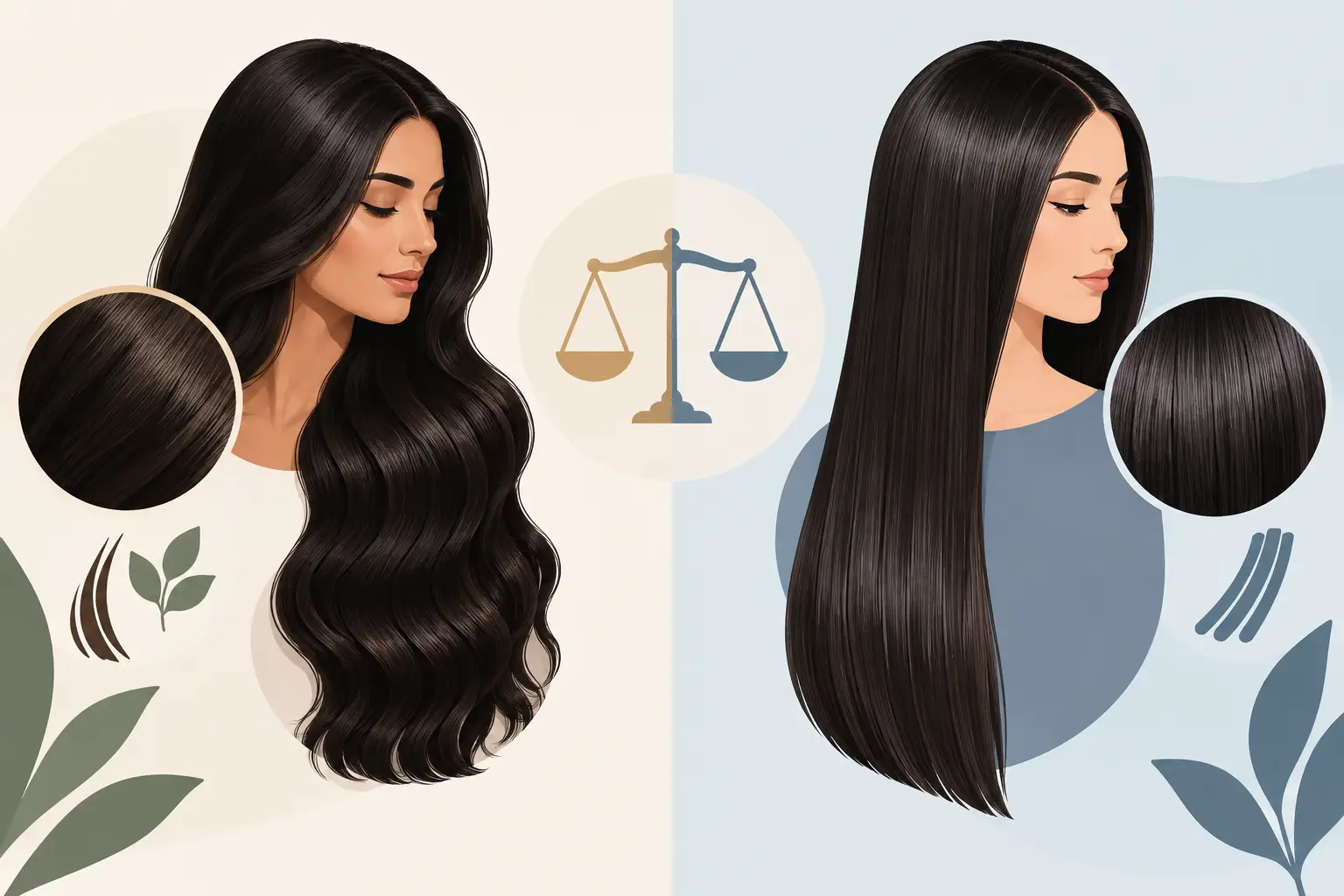
Remy Indian Hair Versus Synthetic: What Wins?
A hair system only works when it looks like it belongs to you. That is why the question of Remy Indian hair versus synthetic is more than a material choice. It affects how your hair moves in direct sunlight, how it feels after a workout, how easily it blends with your existing hair, and whether you feel comfortable walking into a meeting, a date, or a vacation photo without thinking about your hairline.
For most men seeking a natural, undetectable result, premium human hair is the stronger starting point. But synthetic fibers have a real purpose in certain systems, especially when they are thoughtfully blended for gray coverage, texture support, or lower-maintenance styling. The best choice depends on your age, lifestyle, desired look, and how much hands-on care you want to give your system.
What Remy Indian Hair Actually Means
Remy Indian hair is real human hair collected and processed to keep the cuticles aligned in the same direction. That alignment matters. It helps the hair lie naturally, reduces tangling, improves softness, and gives the system the realistic movement men expect from premium hair replacement.
Indian hair is especially valued because it has a versatile texture that can work well for many men. It can be styled with a natural wave, worn straight, cut short, or customized to create the density and direction that match your own hair. It also accepts color adjustments better than synthetic fiber, which is important when your system needs to blend with hair at the sides and back.
With a properly fitted system, Remy Indian hair does not sit on top of your appearance like a helmet. It is cut, styled, and positioned to support a believable transition from your natural hairline to the replacement area. That is the difference between simply covering hair loss and getting back a look that feels like yours.
Synthetic Hair Has a Different Job
Synthetic hair is made from manufactured fibers designed to resemble human hair. Modern synthetic materials can look convincing at a glance, particularly in controlled lighting or when used sparingly in a blended system. They also hold their style well. If the fiber is set with a wave or curl pattern, it tends to return to that pattern after washing.
That convenience comes with limitations. Synthetic fiber generally cannot be treated like natural hair. High heat can damage it, color changes are limited, and daily styling flexibility is lower. Some fibers may also create a subtle shine or react differently than human hair under strong sunlight, office lighting, or camera flashes.
For a full men’s hair system, synthetic hair alone is usually not the best choice when realism is the priority. However, it can be useful when incorporated strategically, particularly for gray hair. Synthetic gray fibers often retain their shade longer than human gray hair, which can yellow or discolor over time. A well-designed blend can give an age-appropriate result while improving longevity.
Remy Indian Hair Versus Synthetic for Realism
If your main goal is for people to see you, not your hair system, Remy Indian hair is the clear leader. Because it is real hair, it responds to movement, moisture, touch, and styling in familiar ways. It has the natural irregularity that makes hair look real instead of overly uniform.
Synthetic hair can look good initially, but it may be harder to disguise over time. The fibers do not absorb oils or humidity as human hair does, so the result can appear slightly different from the rest of your hair in changing weather. This is especially noticeable for men with exposed hairlines, short styles, or active social and professional schedules where they are seen in many lighting conditions.
Realism also comes down to customization. A quality hair system should reflect your age, facial features, natural density, curl pattern, and preferred haircut. Remy Indian hair gives your stylist more freedom to create that personalized result. It can be trimmed, textured, layered, and styled without looking stiff or artificial.
Styling, Exercise, and Daily Life
Men do not want a hair replacement solution that requires them to avoid the gym, skip a swim, or worry every time the weather changes. A securely attached, professionally selected hair system can support an active lifestyle, but the material still affects your routine.
Remy Indian hair offers greater styling freedom. You can use appropriate heat tools, change your part, wear a textured style, or use products designed for hair systems. It behaves much more like the hair you are used to managing. You will still need to be gentle when brushing and washing, since the hair does not receive natural scalp oils, but the routine is straightforward once you know what your system needs.
Synthetic hair requires more caution. Standard blow dryers, flat irons, and curling irons may damage the fibers unless they are specifically rated as heat-friendly. Styling products must also be chosen carefully, because heavy formulas can create buildup or make fibers look less natural. For a man who likes to change his style or wants hair that responds naturally after exercise, human hair is usually the better fit.
Durability and Maintenance Trade-Offs
Neither material is maintenance-free. The right question is which type of maintenance feels realistic for your lifestyle.
Remy Indian hair needs moisture, gentle cleansing, conditioning, and the right products to preserve softness and reduce dryness. Because it is natural hair, it can fade or change slightly with sun exposure, chlorine, hard water, and frequent washing. Regular maintenance protects your investment and keeps the hair looking healthy.
Synthetic hair does not need as much restyling, but it has its own wear pattern. Friction from pillowcases, shirt collars, hats, and normal brushing can make fibers rough or frizzy over time. Once synthetic fiber begins to break down, it cannot be restored in the same way human hair can be refreshed with conditioning and professional care.
For many men, premium human hair provides a better long-term experience because it stays believable through normal day-to-day wear when cared for correctly. Still, a blended system may be a smart choice for men who want durable gray tones or a specific balance of performance and upkeep.
Cost: Look Beyond the Initial Price
Synthetic systems often cost less upfront, which can make them appealing when you are exploring hair replacement for the first time. But price should not be the only deciding factor. A lower-cost system that does not match your hair, limits your styling options, or makes you self-conscious is not a good value.
Remy Indian hair systems typically cost more because the material is premium, the customization is greater, and the finished result can be significantly more natural. For men who are investing in confidence at work, in relationships, and in everyday life, that difference can be worth it.
The best value is a system chosen around your actual needs. If you wear your hair short with an exposed front hairline, realism should carry more weight. If you are adding subtle gray to a mature style, a human-hair and synthetic-gray blend may make more sense. If you need a low-commitment option while learning your preferences, your specialist can help you start in a practical place.
Which Hair Type Is Right for You?
Choose Remy Indian hair when you want maximum realism, styling flexibility, natural movement, and a hair system that can be customized closely to your existing hair. It is particularly well suited to men who are active, client-facing, image-conscious, or looking for a result that holds up under close conversation and varied lighting.
Consider synthetic fibers as part of the conversation when you want stable gray coverage, a set style, or a blended construction designed for a specific visual goal. Synthetic hair can support a great result, but it should be selected for what it does best rather than treated as an equal substitute for premium human hair across every category.
At 101 Hair Replacement Systems, the focus is not on forcing every man into the same material or hairstyle. It is on creating a customized system that looks natural, feels secure, and fits the life you already live. A personalized consultation can account for your hair color, gray percentage, activity level, preferred maintenance routine, and the look you want when you see yourself in the mirror.
The right system should give you more freedom, not more things to worry about. Start with the level of realism you want, be honest about your daily routine, and choose materials that help you show up with confidence.