Sub-Total: $0.00
Hair System Tangling: Causes and Easy Fixes
A great hair system should make you feel ready for the meeting, the gym, the date, and every close-up conversation in between. When hair system tangling starts, it can make premium replacement hair look dry, uneven, or harder to style than it should be. The good news is that tangling is usually a care issue, not a sign that you made the wrong choice.
With the right routine, most knots can be prevented and many can be corrected before they become a bigger problem. Your system is an investment in a natural look and renewed confidence. Treating the hair properly helps it stay soft, realistic, and easy to manage through everyday life.
Why Hair System Tangling Happens
Unlike growing hair, the hair in a replacement system does not receive natural oils from your scalp. Those oils help lubricate natural strands and reduce friction. Hair systems need you to replace that moisture with gentle, consistent care.
Tangling is most common when the hair becomes dry, when product builds up, or when the strands rub together repeatedly. Sweat, heat, hard water, and a busy active lifestyle can all contribute. So can sleeping with damp hair, using overly hot water, or brushing aggressively from the roots down.
The length and texture of your system matter, too. Longer hair has more opportunity to knot, while wavy and curly textures naturally need more moisture and patient detangling than straight styles. That does not mean those styles are high-maintenance by default. It simply means the care routine needs to match the hair.
Friction Is Often the Hidden Cause
Many men notice tangles near the nape, around the sides, or at the ends. These areas commonly rub against shirt collars, jackets, car headrests, workout equipment, and pillowcases. Wind can also create friction, especially when the hair is longer.
A system can look excellent in the morning and feel rough by evening if it has been exposed to sweat, dry air, and constant movement. A small amount of preventative care after exercise or before bed can make a meaningful difference.
Product Buildup Makes Hair Catch
Styling products can give you hold and texture, but too much product can make hair stiff and sticky. When strands cannot move freely, they catch on one another. Heavy waxes, alcohol-heavy sprays, and formulas not designed for replacement hair are frequent culprits.
Use only as much product as your style needs. If your hair feels coated rather than touchable, it is time for a gentle cleanse. Clean hair with the right amount of conditioning is far easier to comb and style naturally.
How to Detangle a Hair System Without Causing Damage
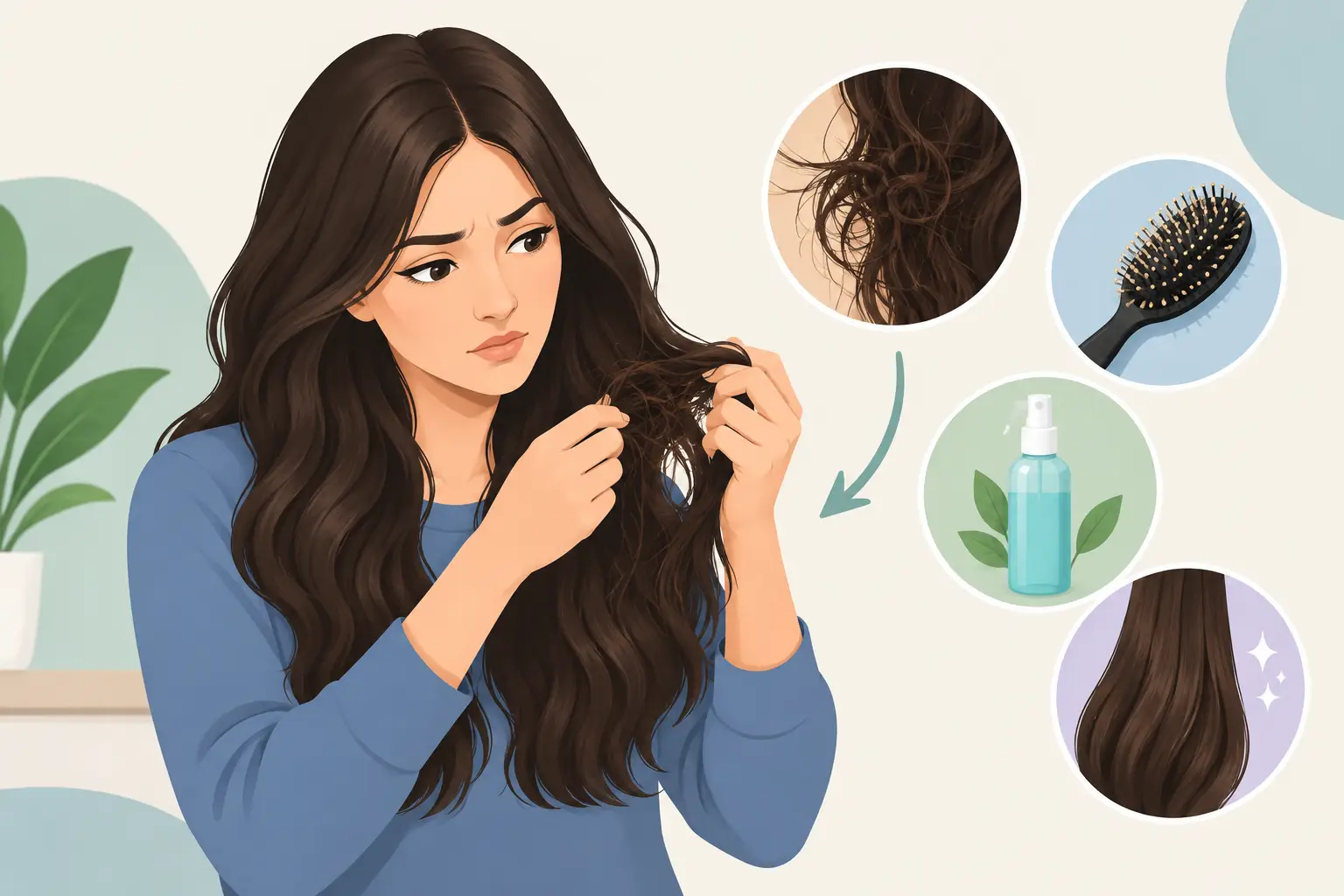
The first rule is simple: never pull through a knot. Forcing a brush through tangled hair can stretch strands, cause shedding, and turn a small knot into a visible thin area. Slow, controlled detangling protects the appearance and lifespan of your system.
Start with dry or lightly damp hair, not soaking-wet hair. Hair is more vulnerable when saturated, and aggressive brushing at that stage can create unnecessary breakage. Apply a light leave-in conditioner or detangling product made for hair systems, then give it a moment to soften the knot.
Use a wide-tooth comb or a loop brush designed for hair replacement systems. Begin at the ends and work upward in short sections. Hold the hair above the area you are combing so you are not tugging against the base or adhesive. Once the ends are clear, gradually move toward the mid-lengths and roots.
If a knot will not release easily, add a little more detangling product and use your fingers to separate it. Patience here is not optional. A few extra minutes can save weeks of wear.
A Washing Routine That Prevents Tangles
Overwashing strips moisture, but waiting too long between washes allows sweat, oils, and styling residue to build up. The right schedule depends on your lifestyle. A man who trains hard several days a week may need more frequent cleansing than someone with a low-sweat office routine.
For most wearers, washing the hair two to three times a week is a practical starting point. Rinse after a heavy workout if needed, but do not automatically shampoo every day. When you do wash, use lukewarm water. Hot water can dry the hair and leave it more prone to tangling.
Work shampoo gently through the length of the hair in a downward motion. Do not bunch the hair up or scrub it in circles. That motion creates knots quickly, particularly in longer or textured systems. Rinse thoroughly, then apply conditioner from the mid-lengths to the ends.
Let conditioner sit briefly before rinsing. A proper conditioner restores slip, which is what helps the strands glide past each other instead of locking together. Make sure no residue remains, as leftover product can make the hair feel heavy over time.
Dry the Hair With Less Friction
Rubbing your hair hard with a bath towel is one of the fastest ways to encourage tangles. Instead, gently press or blot away excess water with a soft towel. Do not twist the hair into a towel or rough it up with vigorous rubbing.
Comb through carefully while the hair is still slightly damp, using your leave-in conditioner if needed. Then allow it to air-dry when possible. If you use a blow dryer, select low or medium heat and direct airflow downward from the roots to the ends. High heat may save time, but it can leave the hair dry and difficult to manage later.
Everyday Habits That Keep Your System Smooth
A consistent routine is more effective than trying to repair severe tangling once it appears. Brush or comb your system gently before styling, after activity, and before sleep. This takes less than a minute and prevents small catches from becoming larger knots.
At night, make sure the hair is fully dry before going to bed. Damp hair pressed against a pillow for hours is an easy recipe for tangling. A smooth pillowcase can also reduce friction, especially for longer styles.
If you swim, rinse your hair with fresh water as soon as you can afterward. Chlorine and saltwater can be drying. After intense workouts, do the same. Sweat itself is not a reason to panic, but letting it dry repeatedly into the hair without rinsing or conditioning can reduce softness.
Be mindful of how you remove hats, helmets, and hoodies. Pulling them off quickly can snag the hair at the crown and nape. A little care during these daily moments protects the polished, undetectable look you want.
When Tangling Signals a Bigger Issue
Occasional tangles are normal. Constant matting, roughness that returns immediately after conditioning, or visible shedding is different. These signs may point to significant dryness, incorrect products, accumulated residue, or a system that is nearing the end of its service life.
It can also be a sign that your system’s density, length, texture, or daily care plan is not the best fit for your lifestyle. Men who sweat frequently, travel often, or wear protective headgear may benefit from a customized recommendation rather than a one-size-fits-all routine.
This is where professional guidance pays off. At 101 Hair Replacement Systems, the goal is not just to give you hair. It is to help you maintain a natural result that fits the way you actually live. A personalized system and the right maintenance support can make daily styling feel simple again.
Give Your Hair the Care It Deserves
Hair system tangling does not have to take over your morning routine or make you question your look. Gentle detangling, moisture-focused products, careful drying, and a few friction-reducing habits will keep your replacement hair looking healthier for longer.
Your hair system is designed to help you show up with confidence. Give it consistent care, and it can keep looking natural, comfortable, and ready for whatever your day puts in front of you.