Sub-Total: $0.00
How to Remove a Hair System Safely at Home
A hair system should come off as comfortably as it goes on. If you try to pull it loose while the adhesive is still holding, you can irritate your scalp, damage the base, and create unnecessary shedding. Learning how to remove hair system safely protects your investment and makes every fresh application look cleaner, feel better, and hold more securely.
For most men, removal is not complicated. It just requires patience, the right adhesive remover, and a willingness to let the product do its job rather than forcing the process. Whether you wear your system through the workweek, train hard at the gym, or travel often, a careful removal routine helps keep your look natural and your scalp comfortable.
Before You Remove Your Hair System Safely
Choose a time when you are not rushing out the door. Adhesive can release quickly, but the cleanup process may take longer if you have worn your unit for several weeks or use a strong bond. Set yourself up near a mirror with good lighting, preferably in a bathroom where you can wash your scalp immediately afterward.
Have an adhesive remover made for hair systems, cotton rounds or paper towels, a spray bottle if your remover is not already packaged as one, a wide-tooth comb, shampoo, and conditioner ready. You may also want a plastic scraper or a soft nail brush for residue cleanup. Avoid sharp tools. They can tear delicate lace, stretch thin skin bases, and leave scratches that make the next attachment less comfortable.
If you use a solvent-based remover, keep the room ventilated and stay away from open flames, cigarettes, or heat sources. These products are effective because they break down adhesive, but they need to be handled with care. Follow the instructions on your specific remover, especially if you have sensitive skin.
Start at the Edge, Never From the Center
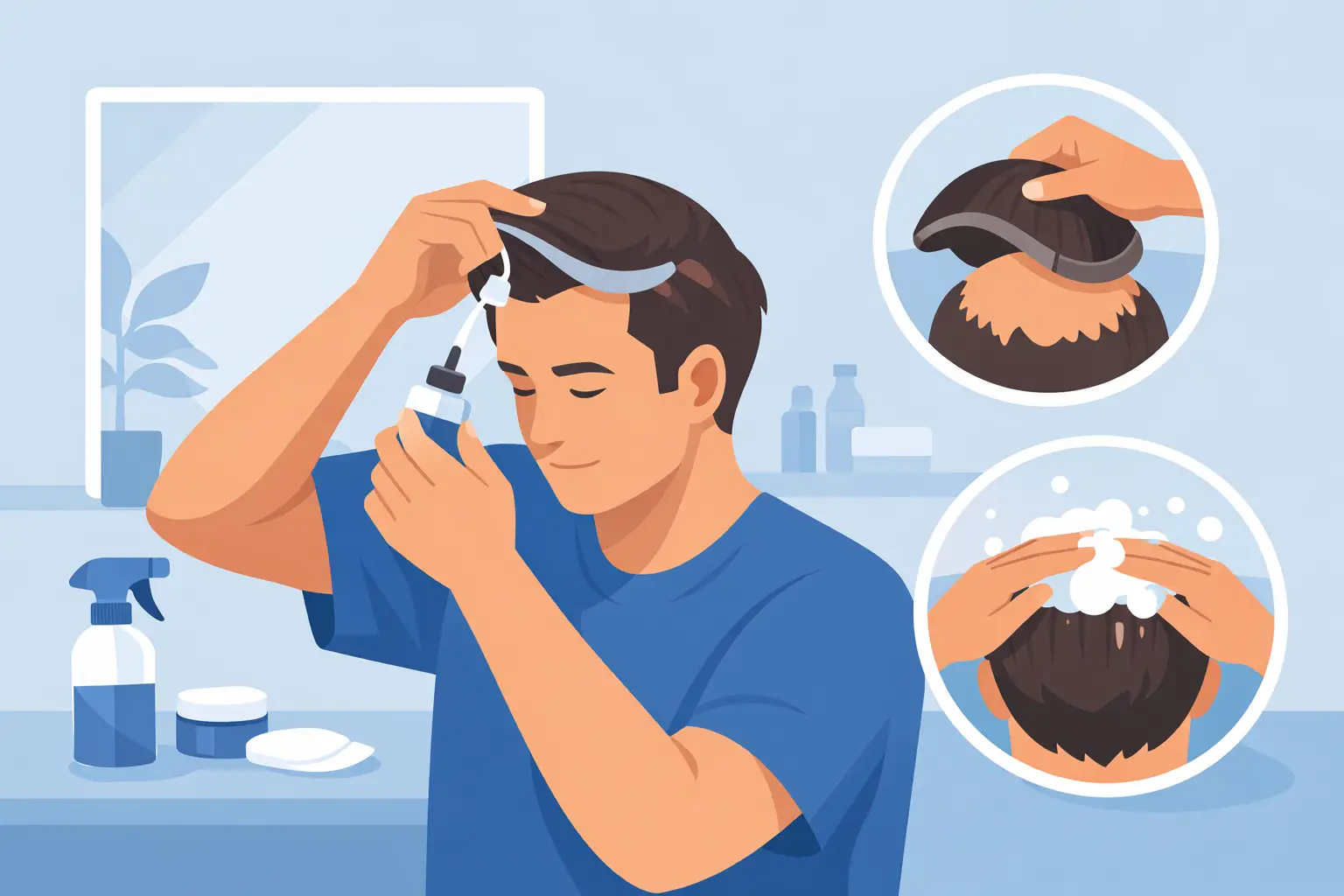
The safest place to begin is usually the front hairline or a side edge where you can gently lift a small section. Do not tug at the hair. Use your fingertip to find the edge of the base, then apply a small amount of remover between the system and your scalp.
Give the remover a minute or two to penetrate the adhesive. The exact waiting time depends on the tape, glue, body heat, and how long you have been wearing the system. A light daily-wear tape may release quickly. A long-wear adhesive may need more product and more patience.
As the bond softens, lift the base slowly with one hand while spraying or dabbing remover into the area with the other. Work in small sections around the perimeter. If you feel resistance, stop lifting and apply more remover. Resistance is not a sign that you need more force. It is a sign the adhesive still needs time to release.
This is especially important with lace systems. Lace delivers an exceptionally natural hairline, but it is designed to lie flat and disappear against the skin. Pulling lace away from a strong bond can distort the base or pull hairs through it. A few extra minutes during removal can extend the life of your system significantly.
Keep the Hair Out of the Adhesive
As you release each section, fold the lifted edge back gently rather than letting it fall into adhesive residue. For longer styles, loosely secure the hair away from the bond area before you start. This helps prevent sticky strands, knotting, and unnecessary cleanup later.
If adhesive does get into the hair, do not panic or start combing aggressively. Apply the appropriate remover to the affected area, let it loosen the residue, and gently work it free with your fingers. Slow handling protects both the hair and the base.
Remove Adhesive From Your Scalp
Once the hair system is fully released, set it aside on a clean towel or mannequin head. Your next job is your scalp. It should feel clean, calm, and completely free of old adhesive before you consider a new install.
Apply adhesive remover directly to residue on your scalp and let it sit briefly. Use the pads of your fingers to roll the softened adhesive away. Cotton rounds or paper towels can help lift it, but avoid hard rubbing. Your scalp may be slightly more sensitive after weeks of continuous wear, especially around the front hairline.
For stubborn spots, repeat the remover rather than scrubbing. A little patience is better than leaving your skin red or tender. When most of the residue is gone, shampoo your scalp thoroughly with warm water. A second shampoo can be useful if you used an oily remover, since leftover oil can interfere with the hold of new tape or adhesive.
Finish with a close look in the mirror. Check the hairline, temples, crown, and behind the ears, where small amounts of adhesive can hide. Your scalp should feel smooth and dry, not tacky. If you notice redness, broken skin, itching, or a rash, give your scalp time to recover before reattaching. Persistent irritation deserves guidance from a medical professional.
Clean the Base Without Damaging It
The cleanup method for your hair system depends on the base material and the adhesive you use. Skin bases are generally easier to wipe clean because the surface is smooth. Lace and hybrid bases require a lighter touch, particularly near the hairline and any delicate mesh areas.
Place the system hair-side down on a clean, flat surface. Apply adhesive remover to the base and allow it to break down the remaining tape or glue. Gently lift residue with your fingertips, a soft cloth, or an appropriate plastic tool. Do not scrape aggressively, and never use your nails to dig at lace.
Once the residue is gone, shampoo the system with products suited to processed human hair. Premium Remy Indian hair can maintain a realistic look and feel with proper care, but it still needs moisture. Use conditioner through the lengths of the hair, keeping heavy products away from the base and knots when possible. Rinse thoroughly with cool to lukewarm water.
Pat the system dry with a towel. Do not twist, wring, or brush it hard while wet. Place it on a mannequin head or allow it to air-dry in its natural direction. Cleaning carefully after every removal helps preserve softness, reduces buildup, and keeps the next installation more precise.
Know When to Take a Break Before Reattachment
Many men can remove, clean, and reapply their system on the same day. That works well when the scalp is healthy, the system is clean, and the adhesive routine is familiar. But it depends on your skin, the strength of your bond, your activity level, and how long you have worn the unit.
If your scalp feels tight, itchy, or irritated, take a break. Even a night without the system can give your skin a chance to settle. Men with oily skin, heavy sweat from workouts, or humid work conditions may also benefit from more frequent maintenance instead of waiting until the bond becomes difficult to remove.
A fresh install only performs as well as the prep underneath it. Applying tape or glue over leftover residue, oil, or damp skin can lead to lifting and an uneven hairline. Clean, dry skin is the foundation for secure wear that holds up at the office, during a workout, and through everyday life.
Mistakes That Make Removal Harder
Most removal problems come from trying to save time. Pulling from the center, using too little remover, and reapplying before the scalp is fully clean are the most common issues. So is waiting too long between maintenance appointments or at-home cleanings. As adhesive breaks down, it can move into the hair and make a simple removal much more involved.
Using household chemicals is another mistake. Products not made for hair-system adhesives can irritate your scalp, weaken the base, or leave residue that compromises the next bond. Use hair-system-specific removers and care products whenever possible.
If you are new to wearing a system, do not feel pressured to figure out every detail alone. A personalized maintenance routine can make a major difference in comfort, durability, and how natural your hairline looks. The team at 101 Hair Replacement Systems can help you match your system, base material, adhesive method, and maintenance schedule to your lifestyle.
Give Your Scalp the Same Care as Your Hair
Your hair system is designed to restore a natural-looking appearance, but confidence also comes from knowing it feels secure and comfortable. Safe removal is not a chore that gets in the way of your results. It is the routine that protects them.
Take your time, let the adhesive release properly, and pay attention to what your scalp is telling you. With consistent care, your system can stay clean, comfortable, and ready to deliver the confident look you want every time you step out.