
Sub-Total: $0.00
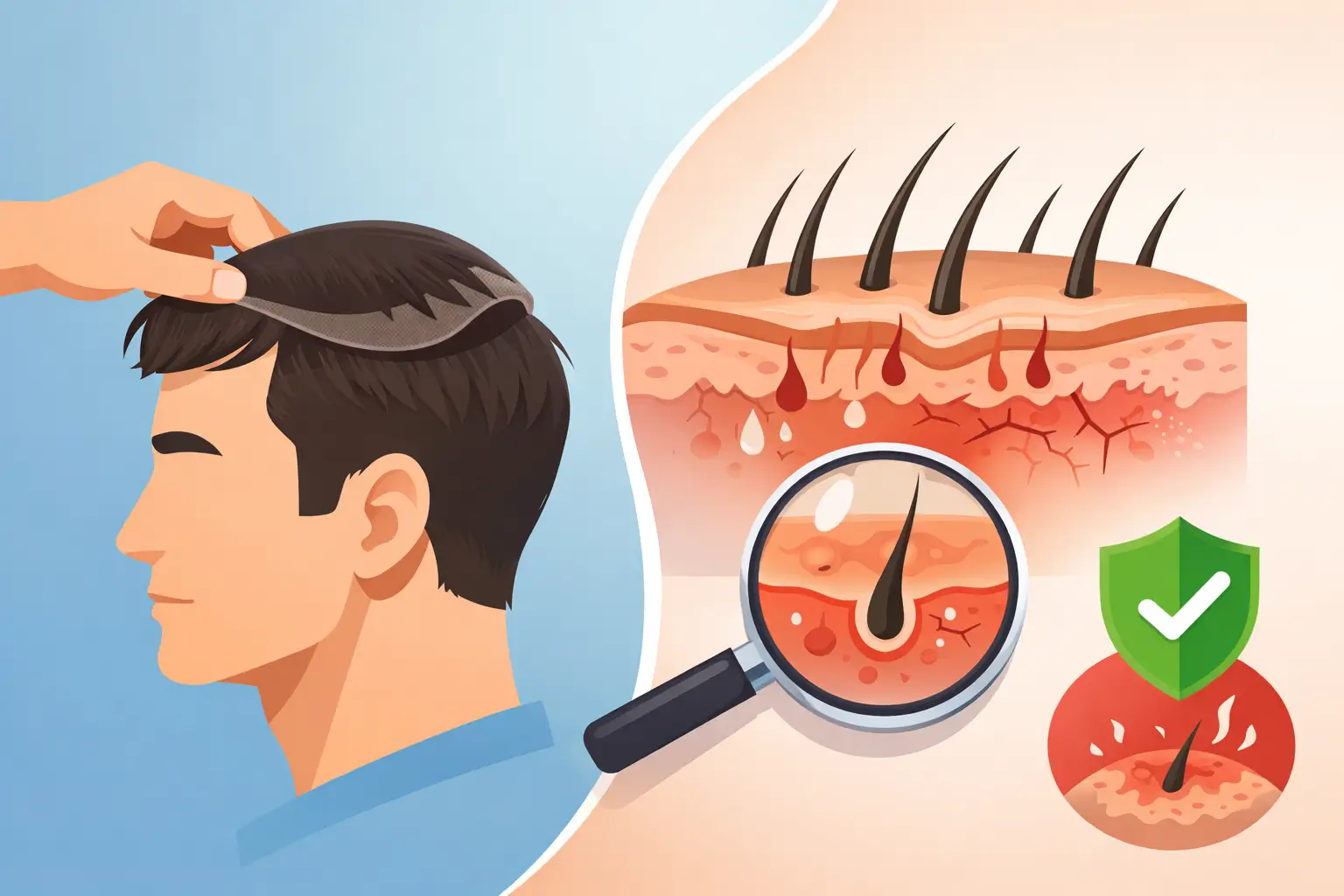
Do Hair Systems Damage the Scalp? The Honest Answer
A great hair system should change how you feel when you look in the mirror, not leave you worrying about your scalp. So, do hair systems damage scalp? Not when they are properly fitted, applied with the right products, and maintained on a consistent schedule. The problems most men hear about usually come from poor application, leaving a system on too long, using the wrong adhesive, or ignoring early signs of irritation.
For men who want immediate, natural-looking coverage without surgery, a quality hair system can be a comfortable part of everyday life. You can work, travel, exercise, and show up with more confidence. The key is treating your scalp and your system as a partnership: premium materials, personalized fit, clean application, and regular care.
Do Hair Systems Damage Scalp Health?
A non-surgical hair system sits on the scalp or attaches to existing hair with tape, adhesive, clips, or another method chosen for your needs. It does not damage the hair follicles in the way that some people fear. It also does not cause male-pattern baldness. That process is primarily driven by genetics and hormones, not by wearing a hair replacement system.
What can happen is skin irritation. Your scalp is skin, and just like the skin on your face, it can react when sweat, oil, adhesive residue, friction, or bacteria build up. A poorly matched base material can also feel too warm or create unnecessary rubbing. These issues are preventable for most wearers, especially when the system is customized rather than selected as a one-size-fits-all solution.
There is an important distinction between temporary irritation and actual damage. Mild itching after a first application may mean your skin is adjusting or that the adhesive is not the right match. Persistent redness, burning, painful bumps, broken skin, or swelling are not signs to push through. Remove the system carefully, clean the area, and speak with a dermatologist if symptoms do not settle quickly.
What Actually Causes Scalp Problems?
The system itself is rarely the issue. More often, discomfort starts with the way it is worn. Strong adhesive applied to sensitive skin, a base that is too tight, or weeks of buildup beneath the unit can turn a confidence-building solution into an avoidable problem.
Sweat matters, particularly for active men. Working out, playing sports, and warm weather are all compatible with hair systems, but sweat and oil need a plan. If the bond is not refreshed on schedule or the scalp is not thoroughly cleansed during maintenance, residue can trap moisture against the skin. That creates the ideal environment for itching, odor, and follicle irritation.
Removal technique matters just as much. Pulling a bonded system off too quickly can tug at skin and any surrounding natural hair. Adhesive removers are designed to release the bond gently. Patience at this stage protects both your scalp and the life of your hair system.
Finally, poor-quality materials can make daily wear harder than it needs to be. An overly heavy unit, an unnatural hair density, or a non-breathable base may feel uncomfortable, especially if you have sensitive skin or live an active lifestyle. A personalized system gives you more control over breathability, durability, hair color, density, and attachment method.
How Proper Fitting Protects Your Scalp
The best defense against irritation starts before the system is ever applied. A proper fit means the base is sized to your hair-loss pattern and sits securely without pulling. It also means choosing a material that matches how you live.
For example, a man who trains hard several days a week may need a different base and bonding routine than someone who works in a climate-controlled office and wants longer wear between appointments. A breathable lace option can feel lighter and more natural for some men, while a skin base may offer a different balance of realism, durability, and easy cleanup. There is no single best choice for every scalp.
Hair type and appearance play a role, too. Premium Remy Indian hair can create a realistic movement and finish, while blended fibers and human gray hair help achieve an age-appropriate look that does not appear overly dense or artificial. When the result looks like you, confidence follows naturally. When the fit is comfortable, you are far more likely to keep up with the maintenance that protects your skin.
At 101 Hair Replacement Systems, the focus is on matching the system to the man, rather than asking the man to adapt to a generic unit. That personalized approach is not just about a better hairline. It is about comfortable, secure wear that supports your routine.
A Scalp-Safe Hair System Routine
You do not need an overly complicated regimen, but you do need consistency. Before application, the scalp should be clean, dry, and free of excess oils, styling product, and old adhesive. This gives your bond a better surface while reducing the chance of residue being sealed beneath the base.
Use only skin-safe tapes, adhesives, removers, and scalp protectors intended for hair systems. Household glues, harsh alcohol-heavy products, and improvised removal methods are not worth the risk. The strongest bond is not always the best bond, either. If you have sensitive skin, choose a product that prioritizes comfort and test it on a small area first.
Most men should plan regular removal, cleaning, and reattachment rather than wearing a unit indefinitely. The ideal schedule depends on your skin type, activity level, base material, and bonding product. Some men prefer shorter wear cycles because they exercise frequently or have oily skin. Others can comfortably wear their system longer with the right routine. A consultation can help establish a schedule that is realistic for you.
During each maintenance session, inspect your scalp. Look for tenderness, redness, flaking, clogged pores, or unusual odor. Wash gently, rinse thoroughly, and allow the scalp time to dry completely before reapplying. If you shave the attachment area, use a clean razor and avoid applying adhesive over cuts or razor burn.
When to Take a Break and Get Advice
Hair systems are designed to be worn, not endured. If your scalp feels persistently sore, itchy, hot, or inflamed, remove the system and identify the cause before applying it again. Often, the solution is simple: switch adhesive, shorten the wear cycle, improve cleaning, or adjust the fit.
Men with eczema, psoriasis, seborrheic dermatitis, allergies, or a history of contact dermatitis should be especially thoughtful about product selection. A dermatologist can help you understand what your scalp can tolerate, and a knowledgeable hair system specialist can help adapt the attachment method around that guidance.
If you notice pus-filled bumps, spreading redness, significant pain, or signs of infection, seek medical care. Do not try to cover the issue with a fresh application. Giving your skin time to recover protects your comfort and makes future wear more successful.
The Bottom Line: Comfort Is Part of a Natural Result
A hair system should not cost you scalp health. With a properly fitted base, quality hair, a skin-compatible bond, and a maintenance routine built around your lifestyle, most men can wear a system comfortably and confidently. The trade-off is that it requires care. This is not a set-it-and-forget-it solution, but the payoff is immediate, natural-looking hair without surgery or a long recovery period.
Your scalp will tell you what it needs. Listen early, choose personalized support over shortcuts, and give yourself the freedom to wear hair that looks natural, feels secure, and helps you step into every room with confidence.