Sub-Total: $0.00
What Is Remy Indian Hair in Hair Systems?
A hair system can look convincing in a product photo and still feel wrong the moment you run your hand through it. Texture, movement, shine, color variation, and how the hair responds after a shower all matter. If you are asking, what is Remy Indian hair, you are really asking whether the hair in your system will help you look like yourself again – not like you are wearing a hairpiece.
Remy Indian hair is a premium human hair option valued for its natural appearance, soft feel, and ability to blend with many men’s hair textures. It is widely used in high-quality hair replacement systems because it can create the kind of movement and styling flexibility that synthetic hair often cannot match. But the term also gets used loosely, so knowing what it means helps you make a better decision.
What Is Remy Indian Hair?
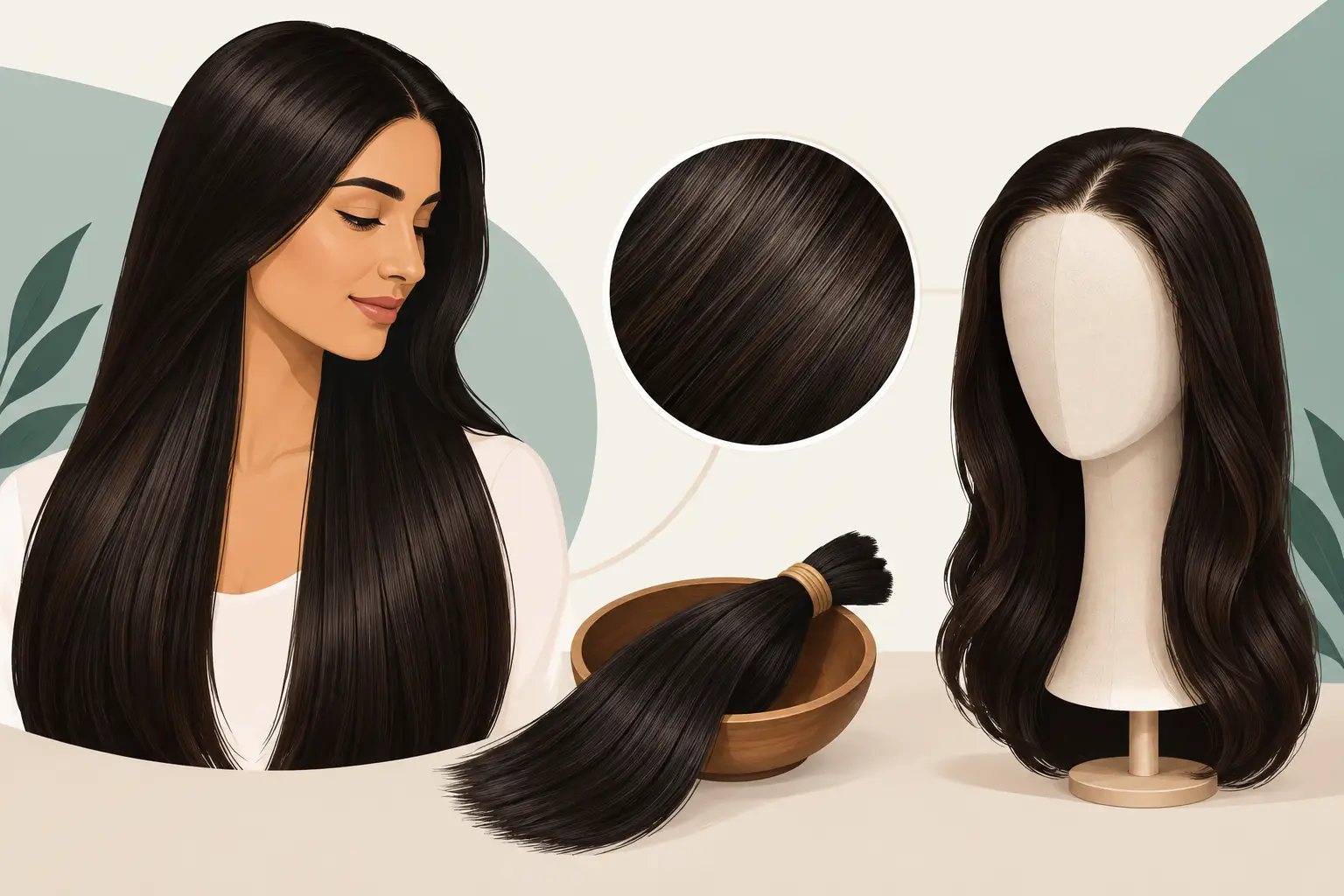
“Remy” describes how the hair is collected and processed. In true Remy hair, the cuticles – the outer protective layer of each hair strand – are kept facing in the same direction from root to tip. This alignment matters because it reduces friction between strands. The hair is less likely to tangle, mat, or develop an unnatural, rough feel during daily wear.
“Indian hair” generally refers to human hair sourced from donors in India. It is known for a naturally fine-to-medium texture, healthy body, and versatility. Depending on the donor and processing, it can range from nearly straight to softly wavy. That range makes it a strong match for many men who want a natural-looking system without hair that appears overly dense, overly shiny, or too uniform.
Put together, Remy Indian hair means human hair from India that has been handled to preserve root-to-tip cuticle alignment. It is not automatically perfect hair, and it does not guarantee a perfect result on its own. The quality of the sourcing, processing, system construction, fitting, cut, and maintenance all affect how natural it looks on you.
Why Remy Indian Hair Works So Well in Men’s Systems
The best hair replacement systems do not announce themselves. They move naturally when you turn your head, hold a style without looking stiff, and fit your age, complexion, and lifestyle. Remy Indian hair supports that result because it behaves more like natural growing hair than lower-grade human hair or basic synthetic alternatives.
Because the cuticles are aligned, the hair tends to feel smoother and remain more manageable through washing, conditioning, styling, and normal daily activity. That is especially valuable if you wear your system every day, travel often, work long hours, or exercise regularly. A system still needs proper care, but quality Remy hair gives you a stronger starting point.
Indian hair is also adaptable. It can be cut, styled, and blended to create conservative professional styles, textured crops, side parts, pompadours, and longer looks. A skilled customization process can adjust the density and direction so your result fits your face rather than following a one-size-fits-all template.
Natural Movement Matters More Than You Think
Many men focus first on the hairline, and they should. A realistic hairline is essential. But once someone is standing near you, the larger impression comes from movement and texture.
Low-quality hair may sit too flat, reflect light too evenly, or remain unnaturally rigid after styling. It can also become dry or tangled faster, making you work harder to keep it looking presentable. Remy Indian hair usually has a more believable flow and a softer, less plastic-like finish.
That does not mean every Remy Indian hair system has the same texture. Some hair is naturally straighter, while other selections have more wave. The right choice depends on your existing side and back hair, your preferred haircut, and how much styling you want to do each morning. A textured, casual style may call for a different wave pattern than a clean executive side part.
Remy Indian Hair vs. Non-Remy Hair
The biggest difference comes down to cuticle direction. With non-Remy hair, strands may be collected from multiple sources and mixed without preserving consistent root-to-tip alignment. The cuticles can catch against one another, leading to tangling and a less smooth feel.
Some non-Remy hair is treated with coatings to make it feel silky at first. That initial softness can fade after repeated washes, revealing hair that is harder to manage. This is one reason a low upfront price is not always a better value. If the hair becomes difficult to style or loses its natural appearance quickly, the system may not deliver the confidence you expected.
Synthetic hair has a place, too. It can help with shape retention, durability, and specific texture goals. In many custom men’s systems, a carefully designed blend of Remy Indian hair, synthetic fibers, and human gray hair can produce a more realistic and age-appropriate result than one material alone. The best material choice depends on your needs, not a label alone.
What Remy Indian Hair Does Not Guarantee
It is smart to have high expectations for a premium system, but it is equally smart to understand the trade-offs. Remy Indian hair requires regular maintenance. Like your own hair, it can become dry from frequent washing, heat styling, sun exposure, pool chemicals, and product buildup. Unlike hair growing from your scalp, it does not receive natural oils from the root.
Color can also change over time, especially with significant sun exposure or aggressive shampooing. If you need gray coverage or a salt-and-pepper blend, the color mix should be selected carefully from the start. A system that is too dark, too dense, or too uniform can look less natural even when the hair itself is excellent.
Finally, “Indian hair” does not identify one single grade. Hair quality varies based on donor selection, processing methods, color treatment, and how the hair is ventilated into the base. Ask about the hair’s texture, density, gray percentage, expected lifespan, and care requirements rather than relying on a single premium-sounding term.
Choosing the Right Remy Indian Hair System for You
Your most natural result comes from customization. The system should match more than your preferred hairstyle. It should account for your age, face shape, skin tone, remaining hair, daily routine, and comfort preferences.
A lighter density can often look more believable for a man with gradual thinning or mature hair loss, while a fuller density may suit someone with naturally thick side hair. The front hairline should be designed around how you plan to wear it. If you want to expose your hairline, a natural graduation and a realistic base matter greatly. If you usually wear a fringe forward, the design priorities may be different.
Consider your lifestyle as well. If you train regularly, sweat heavily, swim, or travel for work, you need a secure application method and a maintenance routine you can realistically follow. Premium hair is only part of the equation. The right base, attachment method, and aftercare plan help the system stay comfortable and dependable through real life.
At 101 Hair Replacement Systems, the focus is not on selling you a generic unit and hoping it works. The goal is to help you select a customized system that gives you a natural, secure look you can wear at work, at the gym, on a date, and anywhere confidence matters.
The right hair system should not make you feel like you have to hide. Start by choosing hair that fits your texture and lifestyle, then let thoughtful customization do the work of making the result feel naturally yours.